
Leads projects end to end, from scoping and architecture to release. Builds web and mobile products in Node.js, React, React Native and Laravel, including AI chat and calling assistants.
A small senior team building web apps, internal tools and AI workflows for businesses that have outgrown spreadsheets, and keeping them fast, secure and easy to change long after launch.
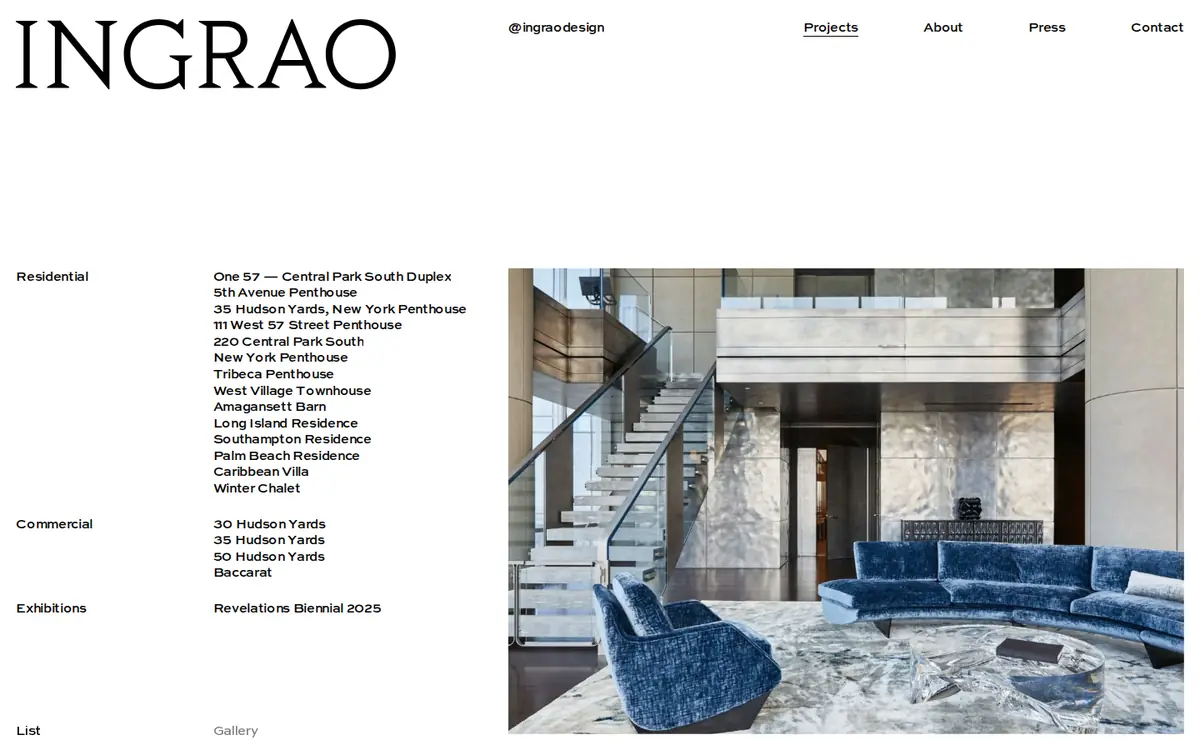 Ingrao
 Advertising Wheels
 Bloomscroll
 Beba Yerba
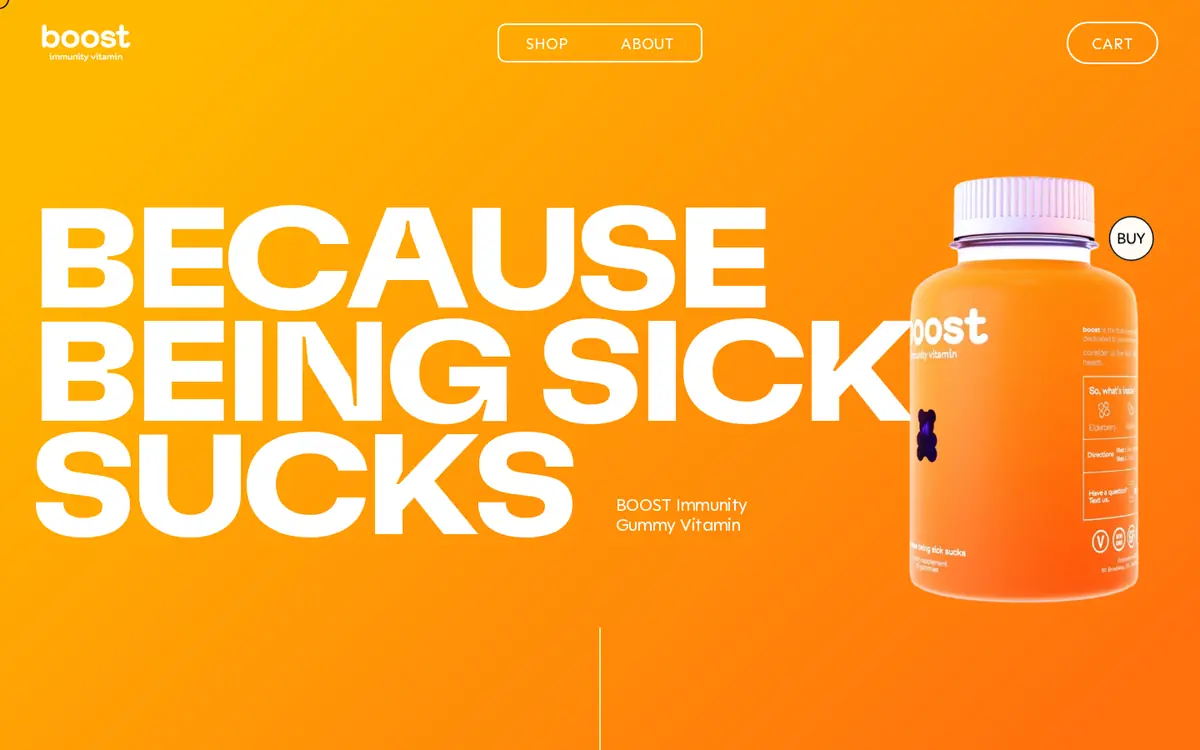 Boost
 Ethical Life
 Answers Wellness
 October Glory
A short, paid discovery. You get a written scope, a clickable prototype and a fixed quote for the first phase.
The engineers on your project are on your calls and in your shared channel.
A working build at a staging link you can open every two weeks.
Billing tied to milestones you have already seen working.
Two ways to start. Either way, every build gets a fixed quote before work starts and is billed by milestone, so these are floors, not estimates that grow.
Pick a service. Here's where each one starts.
Build
Grow & look after it
Starting prices for the smallest useful version of each service. Timelines are for that version. What each service covers →
Spend $2,500 finding out, not $25,000 guessing.
Credited in full if we build it. Everything we produce is yours either way, and if the answer is "don't build this", we'll say so.
Book the Problem SprintFrom a Manhattan interiors firm to a 50-market ad network. Every project below is live. Click through and judge the work yourself.
Portfolio for the New York interiors firm behind penthouses at Central Park South and Hudson Yards.
Site for a truckside billboard network across 50 US markets, presenting GPS-verified impression data and retargeting.
Launch site and waitlist for a social app built around a calmer, more intentional feed.
Direct-to-consumer storefront for a plant-based energy drink brand.
Storefront for an immunity gummy vitamin with a loud, poster-style brand.
Built by members of the Apex team for their own clients, before or alongside Apex. Brands belong to their owners.
All workEvery stage ends with something you can open and judge before deciding to continue. No months of silence.
We dig into the problem with the people who live with it, and prototype the risky parts.
→ Scope, prototype & fixed quote
Short cycles, each ending in a working build you can open and judge.
→ Staging link, every cycle
Production release with monitoring, documentation and a proper handover.
→ Production + handover docs
We stay on to fix, measure and extend, or hand over cleanly to your team.
→ Optional monthly retainer
A small team on purpose. Whoever scopes your project also builds it.
Leads projects end to end, from scoping and architecture to release. Builds web and mobile products in Node.js, React, React Native and Laravel, including AI chat and calling assistants.

Seven years building web front ends, the last five leading a frontend team. Turns designs into fast, accessible React interfaces, from client dashboards to WordPress sites.

Seven years building business software in Java and Spring. Runs the infrastructure behind our AI work: model integrations, workflow automation, self-hosted services and the integrations that keep data in sync across systems.

15+ years in banking software. Heads digital automation at a commercial bank, after a decade leading process-automation and core-banking integration projects across Pakistan, the UAE and Africa.

Nearly six years delivering enterprise software for banks, government and hospitality clients across the Middle East. Works inside client teams: turns requirements into specs and acceptance criteria, builds Java and REST integrations, and sees each release through to production.

Full-stack engineer working in Java and modern front ends, currently shipping for US and Canadian product teams, with a background in enterprise workflow automation.
Builds Java/Spring microservices for digital banking, including mobile account opening and QR payments. Started in data analysis and Power BI; holds a Master's degree.
Talk to one of us.
Book a 20-minute callHiring a development team is a risk. These are the commitments that make it a smaller one.
The repository lives in your GitHub organisation, not ours. You can see every commit.
Everything we write for you is yours, in writing, once it is paid for.
Happy to sign yours before you tell us anything sensitive.
Bugs in what we shipped, found in the first 30 days after launch, are fixed at no cost.
Each milestone ends with working software and documentation, so you are never locked in.
Also: Shopify Development, WordPress & CMS, eCommerce Growth, Branding & Visual Identity, Performance Marketing. All solutions →
Starting prices are on this page: most first projects land between $4,000 and $25,000, and ongoing care is from $1,500 a month. The exact number comes out of the $2,500 Problem Sprint, which ends with a fixed quote for phase one, so you know it before you commit.
No. Most clients arrive with a problem, not a spec. Writing the spec is part of the sprint, and it's better done with engineers in the room.
You do. The repository sits in your account from day one, and intellectual property is assigned to you in the contract.
That's the part we design for. You get handover documentation, a 30-day bug warranty, and the option of a monthly retainer to keep improving the product. You're free to take it in-house instead.
Yes. We often start by reviewing an existing codebase, then either extend it or plan a staged replacement without stopping the business.
You don't need a spec. Twenty minutes with an engineer is enough to know whether we're the right team, and if we're not, we'll say so.